Community-Led Monitoring.
MMAAK – Movement of Men Against AIDS in Kenya > Projects > Maak Programs > Community-Led Monitoring.


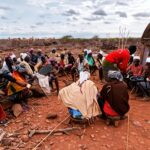
Engaging boys and men in Community-Led Monitoring (CLM) is a powerful but often underutilized strategy. It builds on a foundational principle of CLM where the people most affected by health issues are best positioned to monitor services and drive change. Integrating men and boys into these processes is not an afterthought, it is a strategic approach that can significantly improve health outcomes for everyone. Community-Led Monitoring is a process where communities systematically gather and analyze data on health services, identify gaps and rights violations, and advocate for improvements. It is a proven model for holding health systems accountable, particularly in HIV, TB, and malaria programs.
Men often face significant barriers to seeking health services, and programs that use trusted peers are far more effective at reaching them. A peer-to-peer model, where men receive health information and support from other men they trust, has proven to be a powerful way to overcome stigma and reluctance to engage with the health system. Men consistently show lower rates of health-seeking behavior, leading to late diagnosis and poorer health outcomes. By making men active monitors and advocates, CLM can directly address this gap by ensuring services are responsive to male clients and that barriers unique to them are identified and removed.
Harmful masculine norms often discourage men from being involved in care or prevention activities. Involving men in CLM, particularly as advocates against Gender-Based Violence (GBV), challenges these norms and positions them as allies in creating safer communities. This can be part of a broader “gender transformative” approach that works to change the root causes of inequality. Ultimately, integrating boys and men into CLM is about recognizing their essential role in the health of their communities. It’s a practical step toward building health systems that are more accountable, effective, and responsive to everyone.