

Positive Youth Initiative
Positive Youth Initiative is a support group of youth infected with HIV. P.Y.I is a project within the Movement of Men Against AIDS in Kenya (MMAAK) that was formed in 2003. WHY P.Y.I Positive Youth Initiative was formed from the conviction that young people have the right to participate and develop programs that interest them as youths and provide them with a voice to shape and change policies that affect them. Forming a support group of HIV+ youth builds confidence and hope in young people, thus supporting them to share and freely articulate issues affecting them. Positive Youth Initiative youth friendly services create an opportunity for youth to access information and quality services in reproductive health and sexual issues. ACTIVITIES Group Counselling for HIV+ youth is conducted every Saturday mornings. Dialogue forums where interaction between infected and affected youths in
Integrate Health & Protection (HIV, GBV, TB & Malaria).
Integrating boys and men into health and protection programs for HIV, GBV, TB, and malaria is a crucial strategic shift. It moves beyond seeing men as part of the problem to recognizing them as essential partners and clients whose unique needs must be addressed to achieve better health outcomes for all. Men's health outcomes are often significantly worse, and they are a key to halting transmission. Men are less likely to seek care, get tested for HIV, or adhere to treatment, driven by stigma and harmful gender norms. In Kenya, men are about twice as likely to present with advanced HIV disease as women . This "health gap" affects not just men but their families and communities . Men's health behaviors directly impact the health of women and children. For instance, engaging men in reproductive health is a priority for
Mental Health, and Integrated Health & Protection.
Involving boys and men in mental health and integrated health & protection is a critical strategy for building healthier, safer communities. Traditional norms often prevent men from seeking help, making intentional, male-responsive programs essential. The core of this work lies in creating safe, non-judgmental spaces where men can openly discuss their struggles and learn healthier ways to cope. The need stems from a complex combination of cultural pressures and their tangible consequences on well-being. Harmful masculine norms like toughness, self-reliance, and emotional restraint make it difficult for men to express vulnerability or seek help. This isolation is a major factor in poorer mental health outcomes. Men are consistently less likely to seek medical help, get tested for HIV, or adhere to treatment compared to women. This is often due to stigma and a lack of male-friendly health services. In
Community-Led Monitoring.
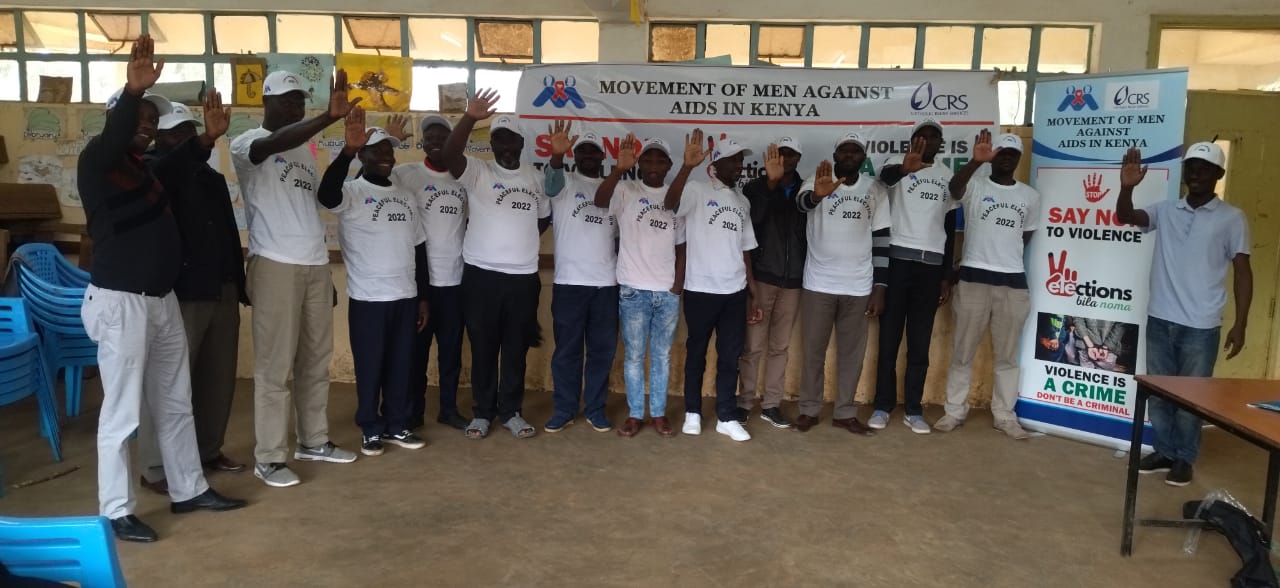
Engaging boys and men in Community-Led Monitoring (CLM) is a powerful but often underutilized strategy. It builds on a foundational principle of CLM where the people most affected by health issues are best positioned to monitor services and drive change. Integrating men and boys into these processes is not an afterthought, it is a strategic approach that can significantly improve health outcomes for everyone. Community-Led Monitoring is a process where communities systematically gather and analyze data on health services, identify gaps and rights violations, and advocate for improvements. It is a proven model for holding health systems accountable, particularly in HIV, TB, and malaria programs. Men often face significant barriers to seeking health services, and programs that use trusted peers are far more effective at reaching them. A peer-to-peer model, where men receive health information and support from other
Climate Change Adaptability
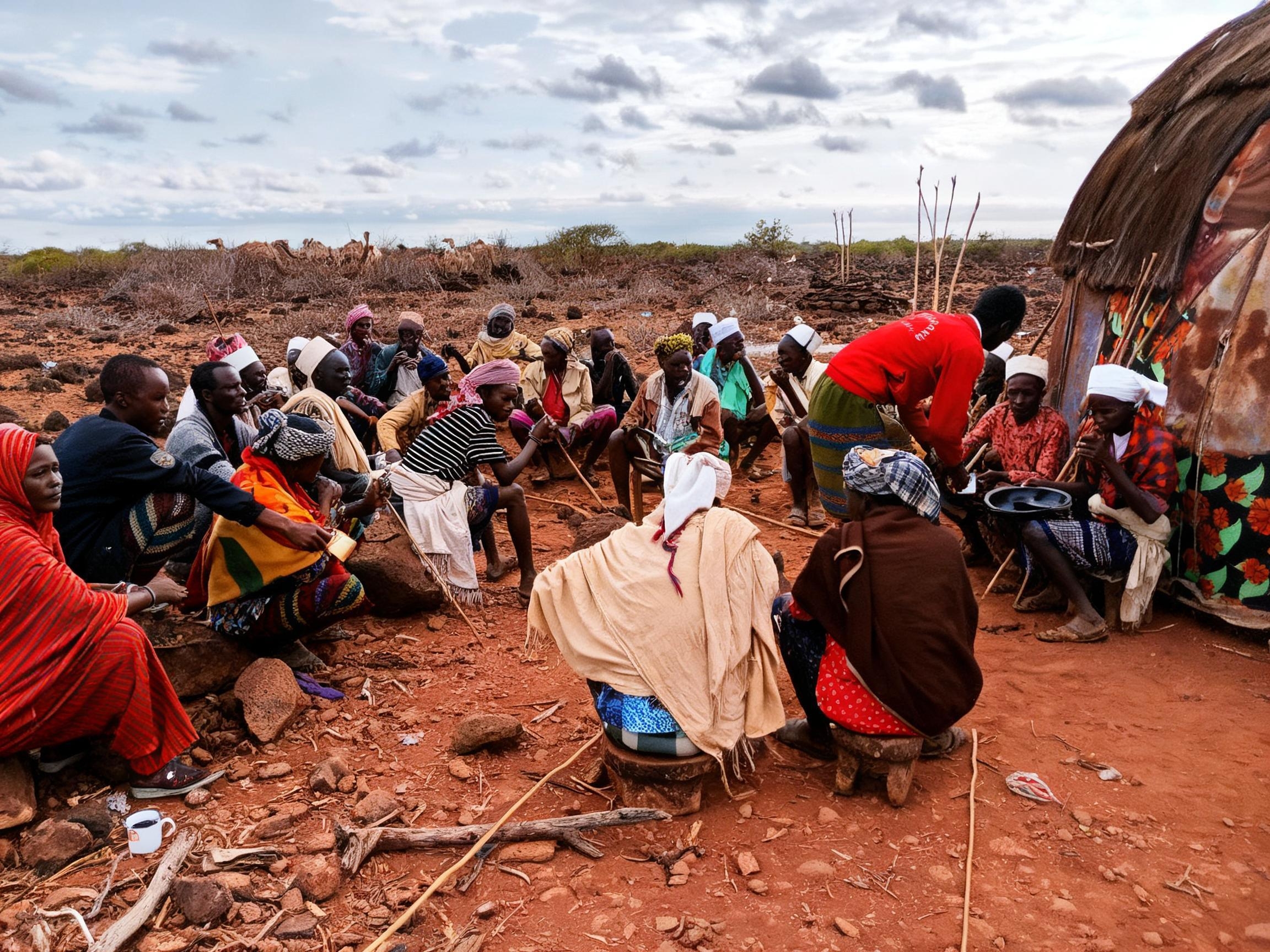
Engaging boys and men in climate change adaptability is critical and not only just beneficial but necessary. It requires challenging traditional norms to unlock their potential as agents of change, ultimately strengthening resilience for entire communities .Addressing the Root Causes of the climate crisis is not gender-neutral, patriarchal systems of domination and extraction have been key historical drivers of environmental degradation . Harmful norms that equate masculinity with control and stoicism can foster climate denial and resistance to sustainable practices, as they tie identity to resource exploitation . In many societies, men hold significant sway in household and community decisions, particularly regarding resources like land, finances, and labor . When men are resistant to change, their influence can become a major barrier to adaptation . Programs that focus only on women risk being undermined if men remain disengaged or unsupportive,