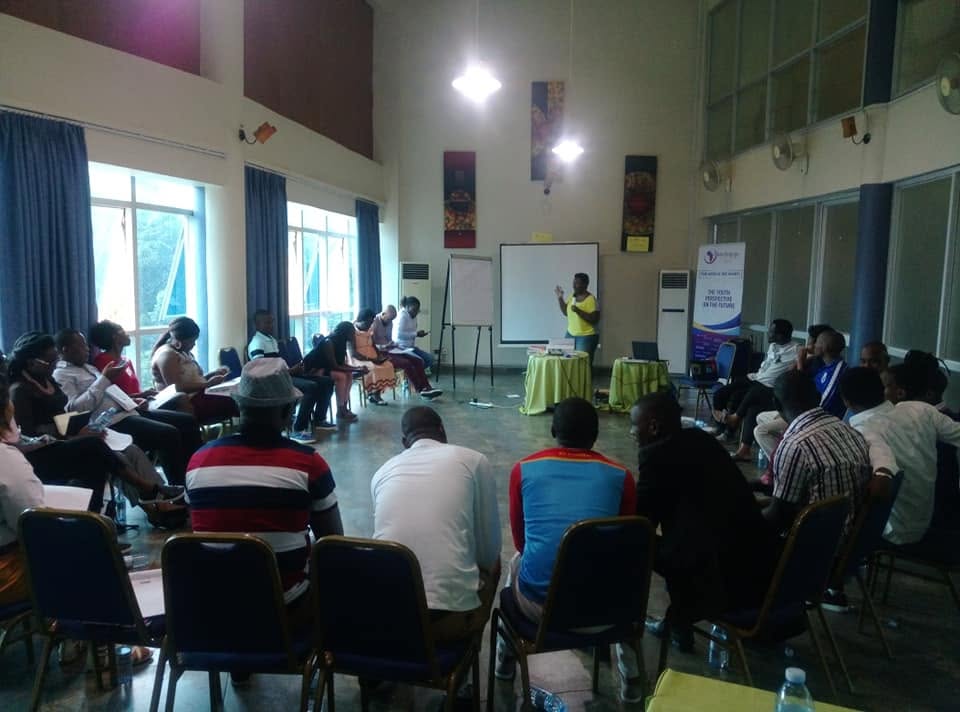
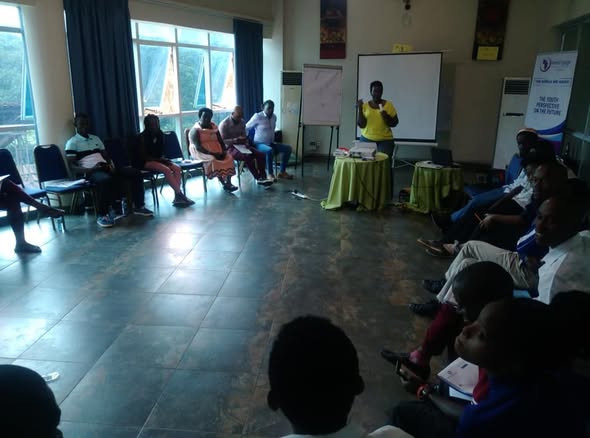
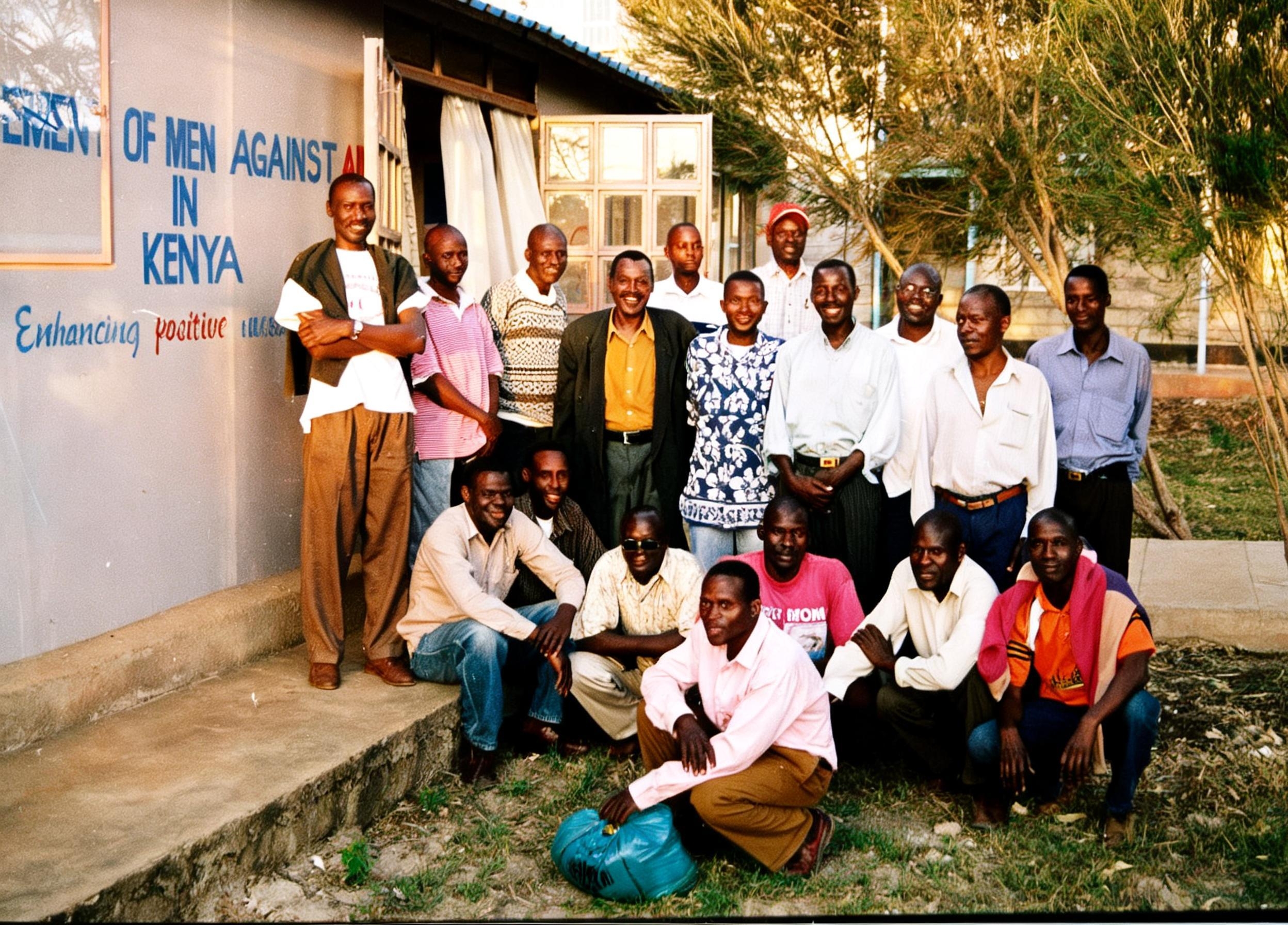
MMAAK was founded in the year 2001, two years after the declaration of HIV and AIDS as a national disaster in Kenya and in response to gaps within the Kenya Government National HIV and AIDS Strategic Plan, which were evidently deficient in strategies related to integrating and enhancing male engagement in the fight against the HIV and AIDS pandemic. The founder members both infected and affected and with HIV recognized that men’s traditional notions of masculinity prevented them from seeking help, disclosing their status, or supporting their partners. From an initial membership of five men, MMAAK membership has grown to over 3,000 members within twenty-five years and has since established presence in multiple counties.
MMAAK currently has projects in ten counties which have high HIV and AIDS prevalence, namely: Nairobi, Mombasa, Marsabit, Kilifi, Kirinyaga, Kisumu, Siaya, Kakamega, Homa bay, Kericho, Bomet. Key organizations affiliated to MMAAK include Men engage Global, KANCO, KEMEA, WOFAK, The International Planned Parenthood Federation, The White Ribbon Campaign, The International Centre for Research on Women, Men’s Resources International, UNDP, NACC, NASCOP, NAME Alliance, KEMEA, HENNET. MMAAK has received both technical and financial support locally and international from such organizations as: UNTF, SIDA, Positive Action, Pathfinder International, Catholic Relief Services, UNAIDS, UNWomen, UNON, UHAI, AMREF, Kenya Red Cross, Global Fund, Plan International.
The priority of MMAAK as an organization is to increase the number of men and boys reached by interventions that promote the prevention of HIV and AIDS and engage them in gender equality and elimination of violence against women. The organization’s founding insight remains relevant to date that: men hold positions of power in Kenyan society, religious, political, and economic spheres and yet their engagement in health and caregiving has been minimal. MMAAK’s concept of “positive masculinity” asserts that men can show vulnerability, support women’s empowerment, and take active roles in caregiving without threatening their masculine identity.


 Get Involved