Engaging Boys and Men in Pandemic Preparedness
MMAAK – Movement of Men Against AIDS in Kenya > Projects > Maak Programs > Engaging Boys and Men in Pandemic Preparedness


Engaging men and boys in pandemic preparedness is a critical, yet often overlooked, strategy for building resilient and equitable health systems. While the explicit search results for “MMAAK” are limited to one specific context, the underlying principles of their work provide a powerful model for broader application. The need to involve men and boys is driven by two intersecting realities: the specific vulnerabilities they face during health crises and the crucial role they play in the health of their families and communities.
Men faced significant health service gaps during the COVID-19 pandemic, and in the ongoing fight against HIV, data consistently shows that men are less likely to seek preventive care, get tested, or adhere to treatment. This is not just a health issue for men themselves; it has ripple effects. For instance, in Kenya, only 65% of men over 15 living with HIV are on antiretroviral therapy, compared to 80% of women. This low engagement hinders overall public health efforts to control the spread of disease.
The primary reason for these gaps is often rooted in harmful norms around masculinity. Many men view visiting a health facility as a sign of “weakness,” leading to social stigma and self-stigma that prevent them from seeking care. Engaging men means directly challenging these perceptions and redefining health-seeking behavior as a sign of strength and responsibility.
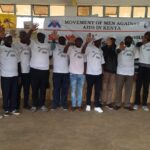
The Movement of Men Against HIV in Kenya (MMAAK) offers a practical, community-led model for how to engage men, which can be adapted for pandemic preparedness. Their strategies, supported by broader public health guidance, focus on understanding men’s realities and shifting harmful norms